Features
Name:
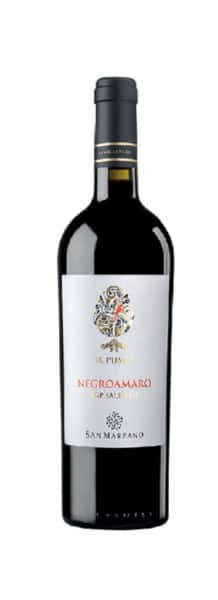
The Pumo Primitivo Salento PGI 2021
Terrain:
Residual red soil, fine-textured and generally with limestone substrate and sparse rocky outcrops
Cellar
In 1962, in San Marzano, a small village in the centre of the Primitivo di Manduria PDO, a strip of land between the seas that bathe Apulia, 19 winegrowers founded Cantine San Marzano. All this well before the denomination of origin was born and Primitivo di Manduria was recognised worldwide.
1982: PRIMUS INTER PARES
Francesco Cavallo is appointed President of the Board of Directors. A volcanic and visionary personality, he is the helmsman of our reality. Forty years of uninterrupted presidency, planning the future and overseeing the winery's present.
1996: THE FIRST BOTTLES
The commitment and dedication of the partners allow the purchase of a modern bottling plant. The first bottles leave the cellar, triggering the transition from commodity to brand. From the bulk economy to a direct relationship with the end consumer.
2000: SIXTY YEARS
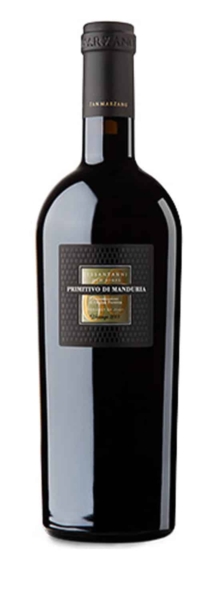
San Marzano's iconic label, it encapsulates its philosophy and essence. Produced from grapes grown in old vineyards, it is an expression of the thousand-year relationship between our people and the Primitivo grape. Sessantanni Primitivo di Manduria DOP is the label that changed the perception of Apulian wines around the world.
2015: SAMIA
Our garden by the sea. 120 hectares dominated by a 16th-century Masseria, which can be glimpsed while strolling among the endless rows of vines, expanses of shrubs and fields of fruit trees. A place of work and production, a laboratory of sustainability in continuous evolution. An ideal theatre of sharing and Mediterranean beauty, a distillation of the experience San Marzano offers the world..
Description
The Pumo Primitivo Salento PGI. A vine that tells the world about Apulia. The name 'Pumo' derives from a decorative object that has adorned balconies and handrails of ancient stairways in Apulia for centuries. A symbol of nature's abundance and generosity, made of the clay that once nourished the vines.
Organoleptic characteristics:
Very intense ruby red colour with violet hues.
Complex bouquet, with notes of plum and cherry, hints of rosemary herbs and light spices.
Full-bodied, soft and harmonious wine, easy to drink.
Storage time:
2-3 years