
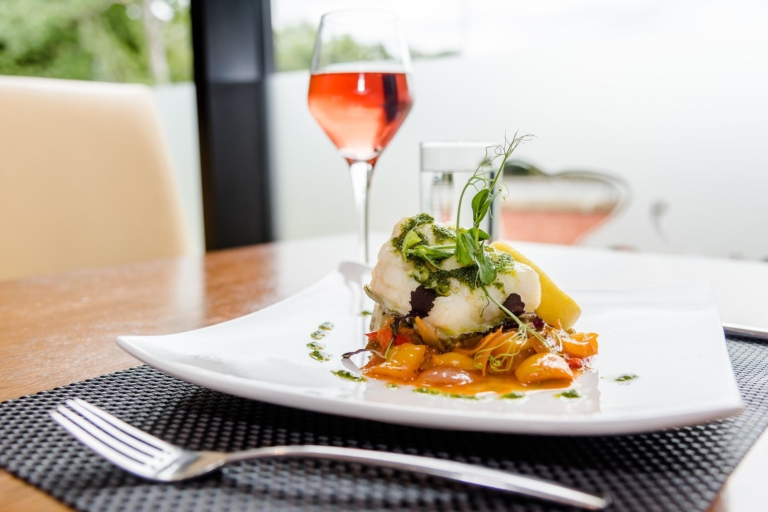
Most rosé wines are light, elegant, fresh and low in alcohol. This makes them a versatile summer drink, able to cope with all seasonal challenges. Not surprisingly, in the United States and Australia, countries that are crazy about barbecues, people start drinking rosé wine outdoors as soon as spring arrives. After all, the open fire produces dishes with a rather pungent and aggressive flavour, which in any other season might be well balanced by red tannins, but in summer you don't want the heaviness of tannins at all. Strong drinks, in hot weather, can lead to over-indulgence. Beer is too concrete. Rosé wine, on the other hand, is an easy compromise that can keep everyone's enjoyment at a decent level.
Do you know how rosé is made? To understand it properly, we will have to delve a little deeper into wine-making technology.
Most of the rosé you see on your table is made from red grapes. The vast majority of these reds have red skins and white pulp, so red wines get their colour from maceration, the steeping of fermenting grape juice in the must left over from crushing the grapes. If the white juice is kept in contact with the must for a short time, from a couple of hours to a couple of days, the wine will not turn red, but pink. The faster the contact, the less coloured the wine will be. This is how most still rosés are produced. There can be many variations in the hue of rosé, ranging from the faintest of colours to the most intensely cherry-like red.
Aromas of red fruit, citrus and sweet muscat melon are the main aromas in the bouquet of rosé wine, usually complemented by green notes of celery and rhubarb. Of course, the flavour of rosé depends directly on the type of grape from which it is made. For example, a rosé made from Aglianico will show notes of cherry and orange peel, while a transparent, lightly coloured rosé made from Grenache produced in Provence is rich in notes of muscat melon, lemon and celery.
Rosé wine is not suitable for ageing and should be drunk within two years. It goes very well with all Mediterranean fish, meat, seafood and cheese dishes. A bruschetta with fried prawns, drizzled with lemon juice and sprinkled with fresh herbs, perfectly complements the rosé wine.