Features
Name:
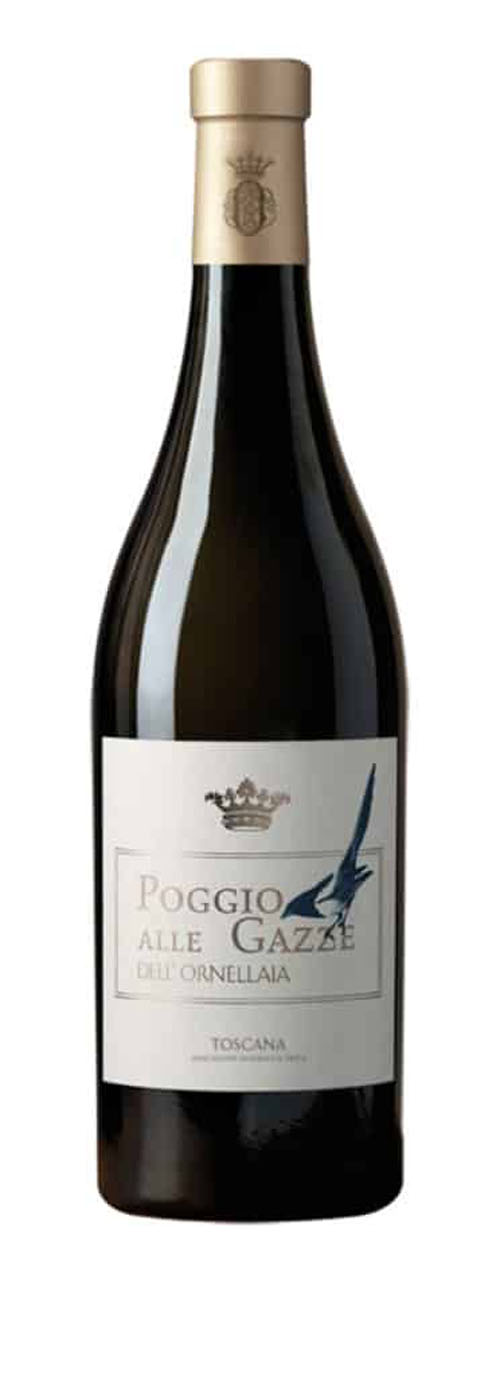
Poggio alle Gazze Toscana IGT 2023 Tenuta dell'Ornellaia
Terrain:
soils of heterogeneous nature of marine, alluvial and volcanic origin
Cellar
"Quality', 'absolute attention to detail', these are the cornerstones on which the company's philosophy is based. Every choice takes on extreme importance. No shortcuts are allowed at any stage of the production process: this is the only way to obtain the best grapes according to the climatic characteristics of each vintage.
During the harvesting phase, analyses and empirical tests make it possible to accurately select the bunches to be picked. Tasting the grapes makes it possible to best assess the ripeness of the tannins and the balance of the bunches, in order to determine the best time for harvesting and the winemaking technique for the grapes of each plot. The grapes undergo a double selection process: a first sorting table to check quality, then a second check to remove any residual vegetation.
The grapes of each cru ferment separately, as each base wine contributes to the creation of the final blend, by virtue of the specific conditions of the vineyard of origin: combination of soil, climatic exposure and of course type of vine. Only after a year of barrel ageing are the base wines blended in accordance with two main criteria: the expression of elegance inherent in the spirit of Ornellaia and the style of the vintage.
Description
Poggio alle Gazze is an important Ornellaia white wine. It is made from 72% Sauvignon Blanc, 16% Vermentino, 6% Viognier and 6% Verdicchio grapes. It is an elegant, rich and structured wine with a long aftertaste. It is perfect with fish dishes, appetisers and shellfish.
Organoleptic characteristics:
Brilliant straw yellow colour with green hues. The nose releases intense notes of citrus and exotic fruits, accompanied by hints of cut grass and asparagus. The palate is ample and lively, characterised by vibrant acidity and a mineral, persistent finish.
Storage time:
4-5 years
Vinification
Slow and gentle pressing with maximum attention to protection against oxidation. After static decantation for about 12 hours, the musts were placed in new barriques for 25%, used for 25%, and in steel and cement vats (50%). Alcoholic fermentation took place at temperatures not exceeding 22°C. Malolactic fermentation was not carried out.
Acknowledgements
Wine Spectator 92/100
James Suckling 92/100
Wine Advocate 91/100
Antonio Galloni 92/100