Features
Name:
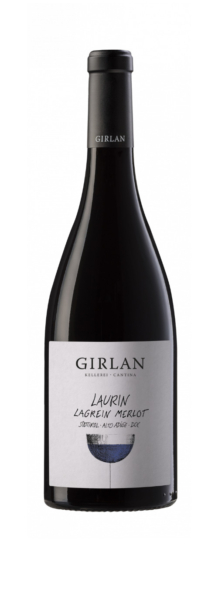
Lagrein Alto-Adige DOC 2024
Terrain:
Sandy, warm and deep soils
Cellar
On the Monte di Mezzo, not far from Bolzano and Lake Kaltern in the village of Cornaiano, formerly called Girlan, stands the Girlan winery. It was founded in 1923 by 23 winegrowers and today has as many as 200 members spread over a vineyard cultivation area of 220 hectares, in the best growing areas of the Oltradige and Bassa Atesina at altitudes ranging from 450 to 500 metres between San Michele and the Adige Plain. 1980, the Girlan Winery increasingly focused on the Pinot Noir grape variety and launched the Trattmannhof Mazon Pinot Noir for the first time. In '75, the pioneer Hartmuth Spitaler recognised the unique potential of the Gschleier sub-zone and produced a Vernatsch exclusively from this sub-zone for the first time. In addition, a close collaboration was established with the artist Paul Flora regarding label design. The Girlan philosophy is, on the one hand, to revalue the old South Tyrolean grape varieties (Vernatsch, Pinot Blanc and Pinot Noir) and, on the other hand, to create wines with character from international grape varieties (Chardonnay and Sauvignon), while still tying them to the terroir. All this while respecting the times dictated by nature, with sustainable farmingThe wines are among the most awarded in the region and available in more than 30 countries.
Description
Lagrein from the Grirlan wine cellar is part of the 'Classics' line. This indigenous grape variety is widespread in the Adige Valley and is grown on sandy, warm and deep soils such as we find in the Bassa Atesina with the vineyards of Corniano and Egna. The choice of maturation in large wood and cement highlights the more sincere face of Lagrein, oriented towards enhancing above all its varietal aromas. An immaculate, fruity and full-bodied wine.
Organoleptic characteristics:
Intense ruby red colour. Fine and pleasant floral aromas reminiscent of violets, which give way to aromas of plums and undergrowth, with nuances of sweet and spicy spices. The taste is full, velvety and slightly tart.
Storage time:
2-5 years
Vinification
Destemming and fermentation at controlled temperature in steel vats. Malolactic fermentation and subsequent maturation in large oak casks and cement vats for at least five months.
Acknowledgements